

Between working on our laptops, scrolling through our phones and sitting in traffic, our necks are constantly working. It’s hardly surprising that many people experience neck stiffness, tight shoulders or headaches after a particularly long day.
Neck pain is a common complaint among office workers, students and people whose daily activities involve prolonged sitting or repetitive movements.
The good news is that simple changes to your daily routine, combined with appropriate exercises, can often help you manage your symptoms.
Your neck supports the weight of your head while allowing you to look in different directions. It relies on muscles, joints and other structures working together to support movement.
Neck pain can develop for several reasons, and it isn’t always caused by poor posture.
Spending too much time looking at screens
Whether you’re working on a computer or looking down at your phone, remaining in the same position for extended periods can contribute to neck stiffness and muscle fatigue.
You might notice discomfort towards the end of your working day or after several hours of using your phone.
A workstation that doesn’t suit you
If your computer screen is too low, your chair is uncomfortable or your keyboard is positioned awkwardly, you may find yourself repeatedly adopting positions that aggravate your neck and shoulders.
Small adjustments to your workstation can sometimes make a noticeable difference.
Stress and muscle tension
Stress can affect the way we hold and move our bodies. Some people unconsciously tense their shoulders or clench their jaw during stressful periods.
When combined with long working hours and insufficient rest, this can contribute to persistent neck discomfort.
Reduced physical activity
Your neck and upper back benefit from regular movement and strengthening. Spending most of your day sitting without sufficient physical activity may reduce your muscular endurance and tolerance for prolonged tasks.
Other possible causes of neck pain include injuries, age-related spinal changes and irritation of nerves in the cervical spine.
You’ve probably been told to sit up straight, pull your shoulders back or stop looking down at your phone.
While adjusting an uncomfortable posture can help, there is no single perfect posture that everyone needs to maintain throughout the day.
Your body is designed to move. Rather than trying to sit perfectly straight for eight hours, aim to change positions regularly and find a comfortable working arrangement.
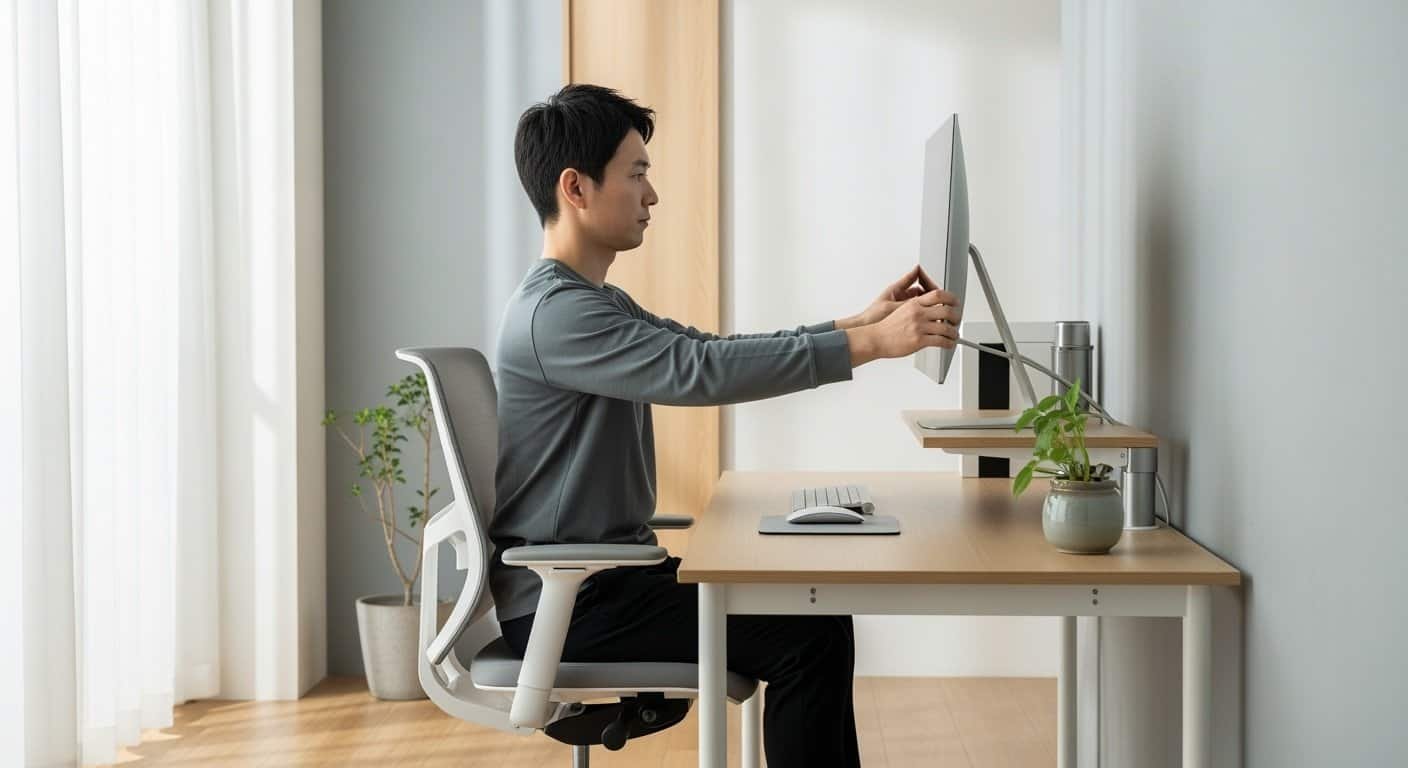
Position your monitor at a comfortable viewing height, keep your keyboard within easy reach and choose a chair that supports you comfortably.
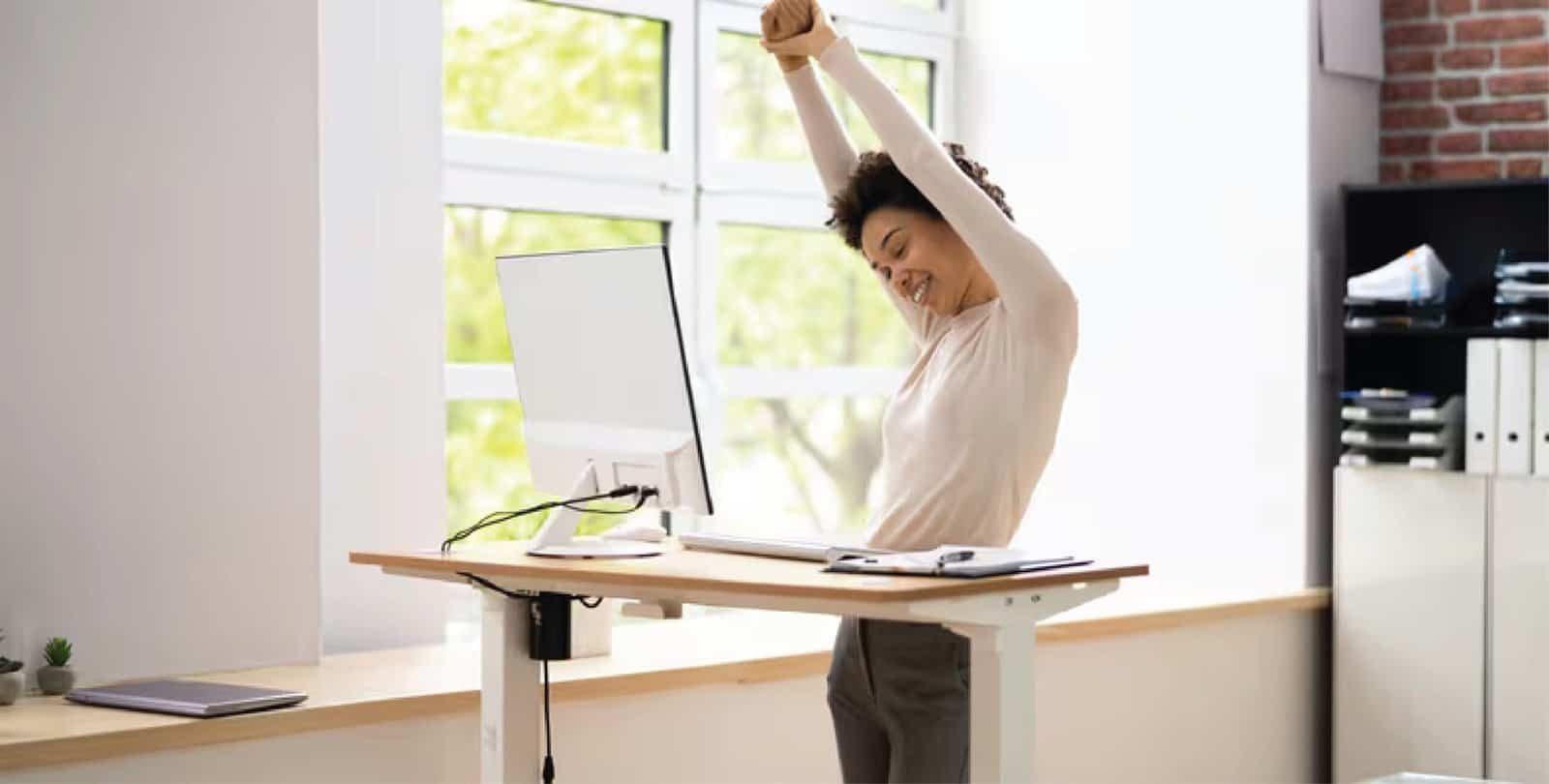
Stand up, walk around or gently move your neck and shoulders throughout your working day.
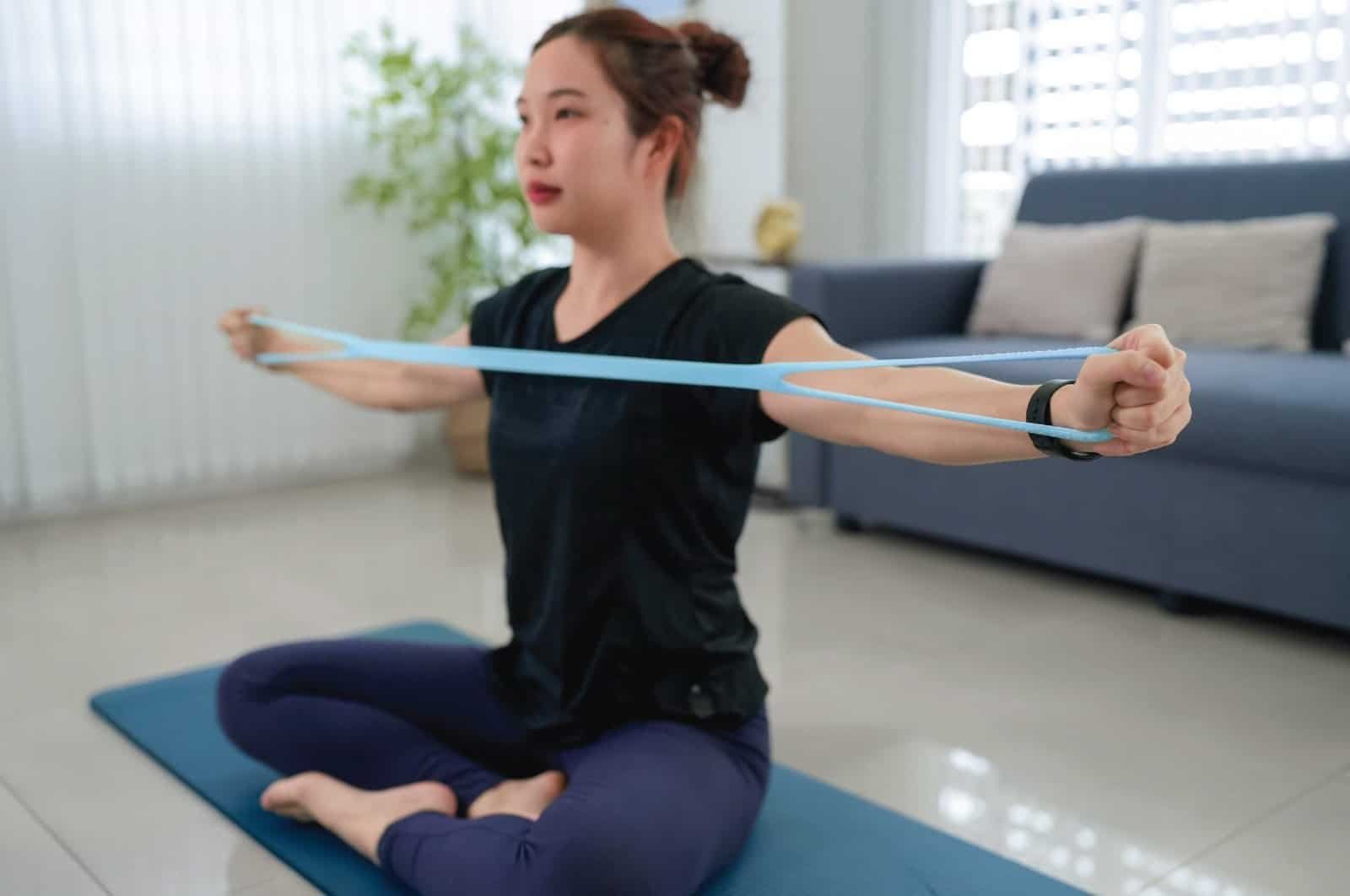
Appropriate exercises for your neck, shoulders and upper back can improve your ability to tolerate everyday activities.

Regular exercise, adequate sleep and relaxation techniques may help reduce stress-related muscle tension.
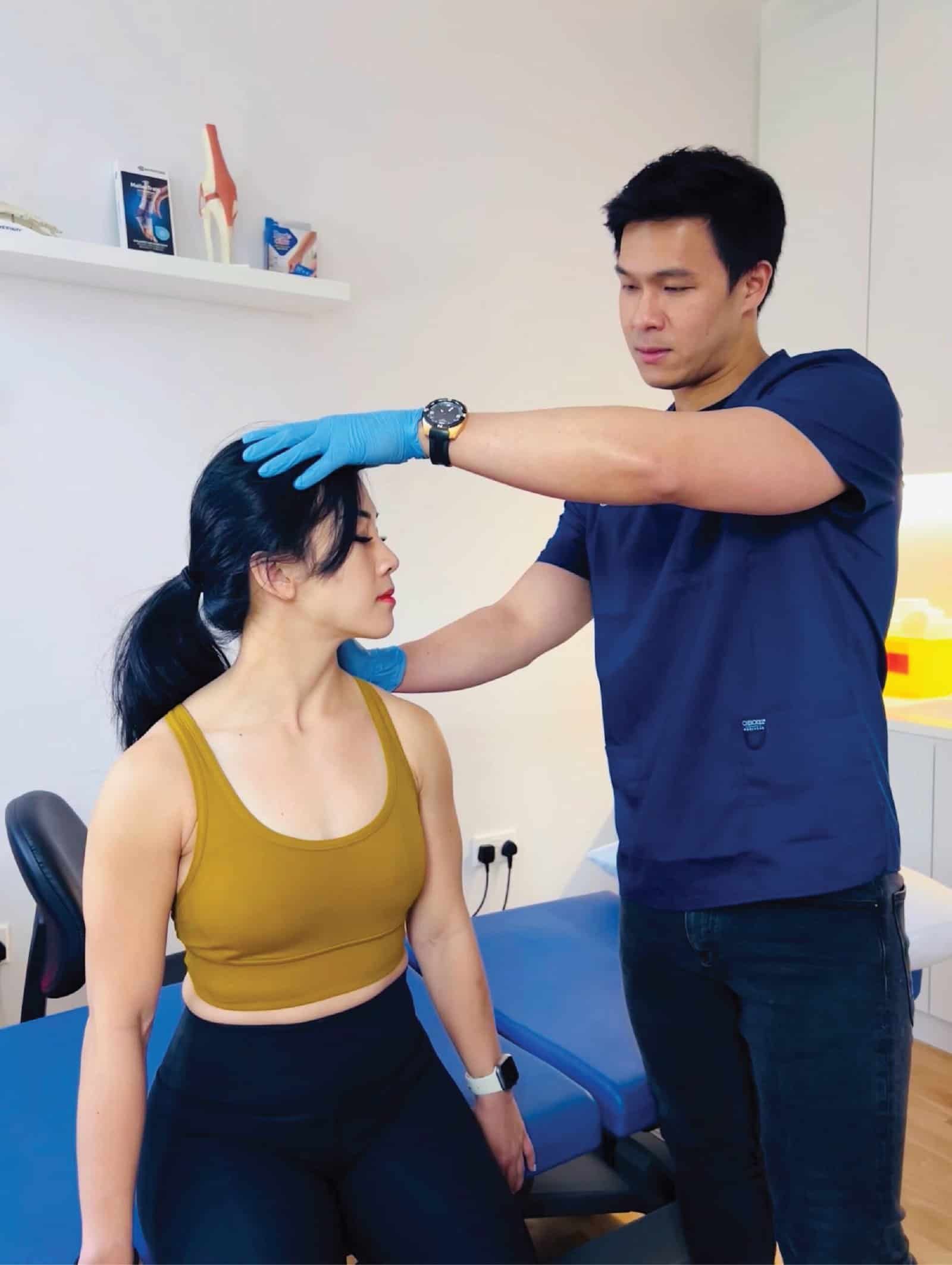
If neck pain repeatedly interferes with your sleep, work or daily activities, a physiotherapy assessment can help identify contributing factors.
Most episodes of uncomplicated neck pain improve with appropriate care.
However, seek urgent medical attention if your neck pain follows a significant accident or is accompanied by fever, severe headache, rapidly worsening weakness or new problems with walking and coordination.
Persistent numbness, tingling or pain travelling into your arms should also be assessed.
At Ropheka Physiotherapy & Sports Injury Centre in Seremban, we provide personalised physiotherapy for patients experiencing neck pain, muscle tension and movement-related discomfort.
Our physiotherapists assess your neck mobility, muscle strength, symptoms and daily activities before recommending a suitable treatment programme.
Depending on your condition, this may include strengthening exercises, mobility training, appropriate manual therapy and practical ergonomic advice.
We also help you understand how to manage your symptoms independently, so you can feel more confident at work and during everyday activities.
Is neck pain becoming part of your daily routine? Arrange an assessment with our team at Ropheka and find out how physiotherapy may help.