

Have you ever experienced back pain that travels down your leg, or neck pain accompanied by tingling in your fingers? These symptoms can sometimes be caused by a slipped disc, a common spinal condition that can affect your movement, comfort and everyday activities.
Although the term slipped disc might sound alarming, many people recover without surgery. Understanding what’s happening in your spine and knowing when to seek treatment can make a real difference to your recovery.
At Ropheka Physiotherapy & Sports Injury Centre in Seremban, we help patients manage back and neck pain through personalised physiotherapy, guided exercises and practical advice to support long-term recovery.
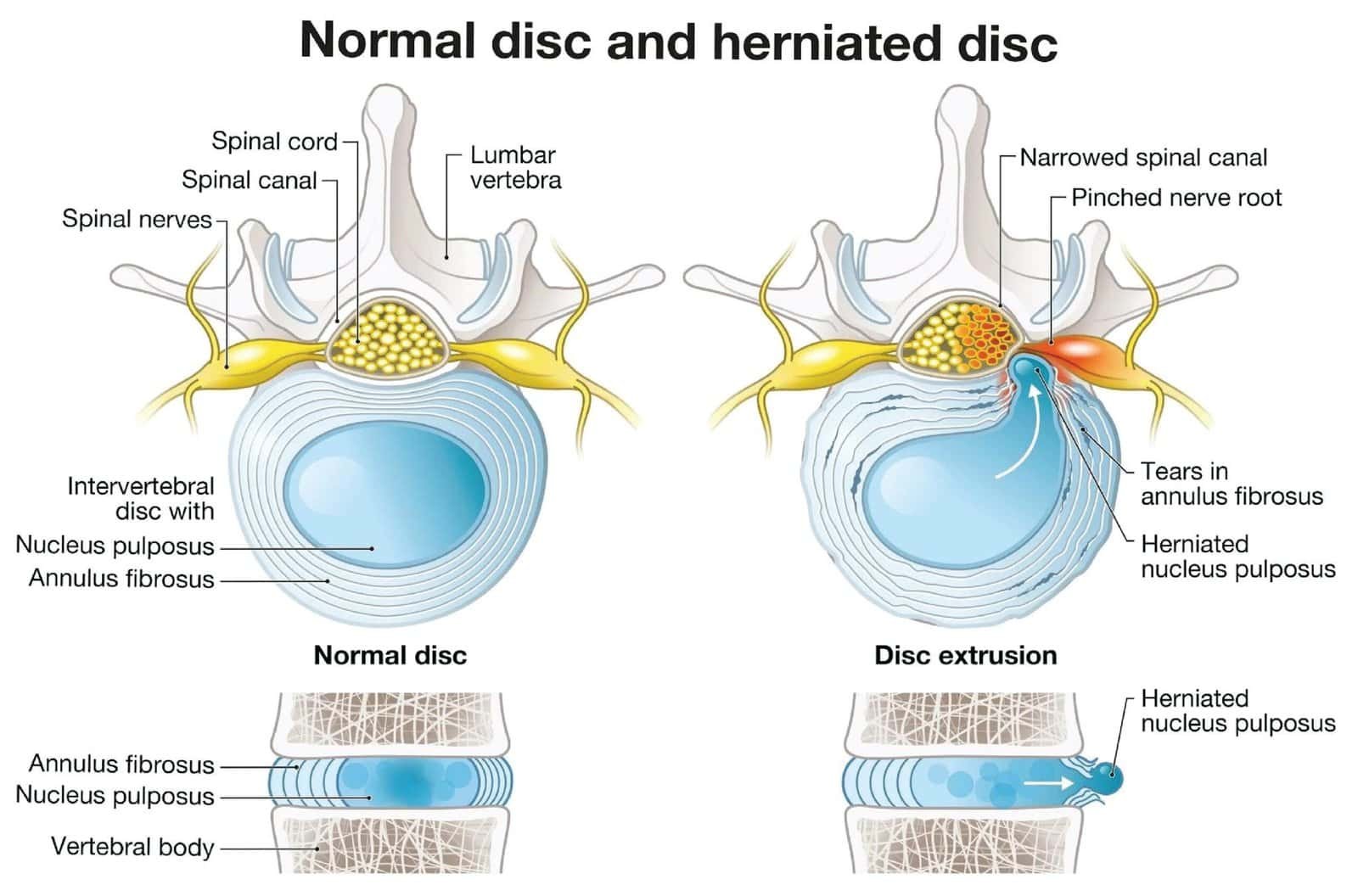
Your spine is made up of small bones called vertebrae. Between most of these bones are soft, cushion-like structures known as intervertebral discs. They help absorb shock, distribute pressure and allow your spine to move comfortably.
Each disc has a tough outer layer and a softer, gel-like centre.
A slipped disc, medically known as a herniated disc, occurs when some of the softer inner material pushes through a weakened or torn area of the disc’s outer layer.
Despite its name, the disc doesn’t actually slip out of place. Instead, part of the disc bulges or herniates, sometimes irritating or compressing nearby nerves.
Slipped discs most commonly occur in the lower back (lumbar spine) or neck (cervical spine).
Not every slipped disc causes pain. In fact, some people have disc changes visible on an MRI without experiencing any symptoms at all.
Symptoms vary depending on where the affected disc is located and whether it irritates or compresses a nerve.
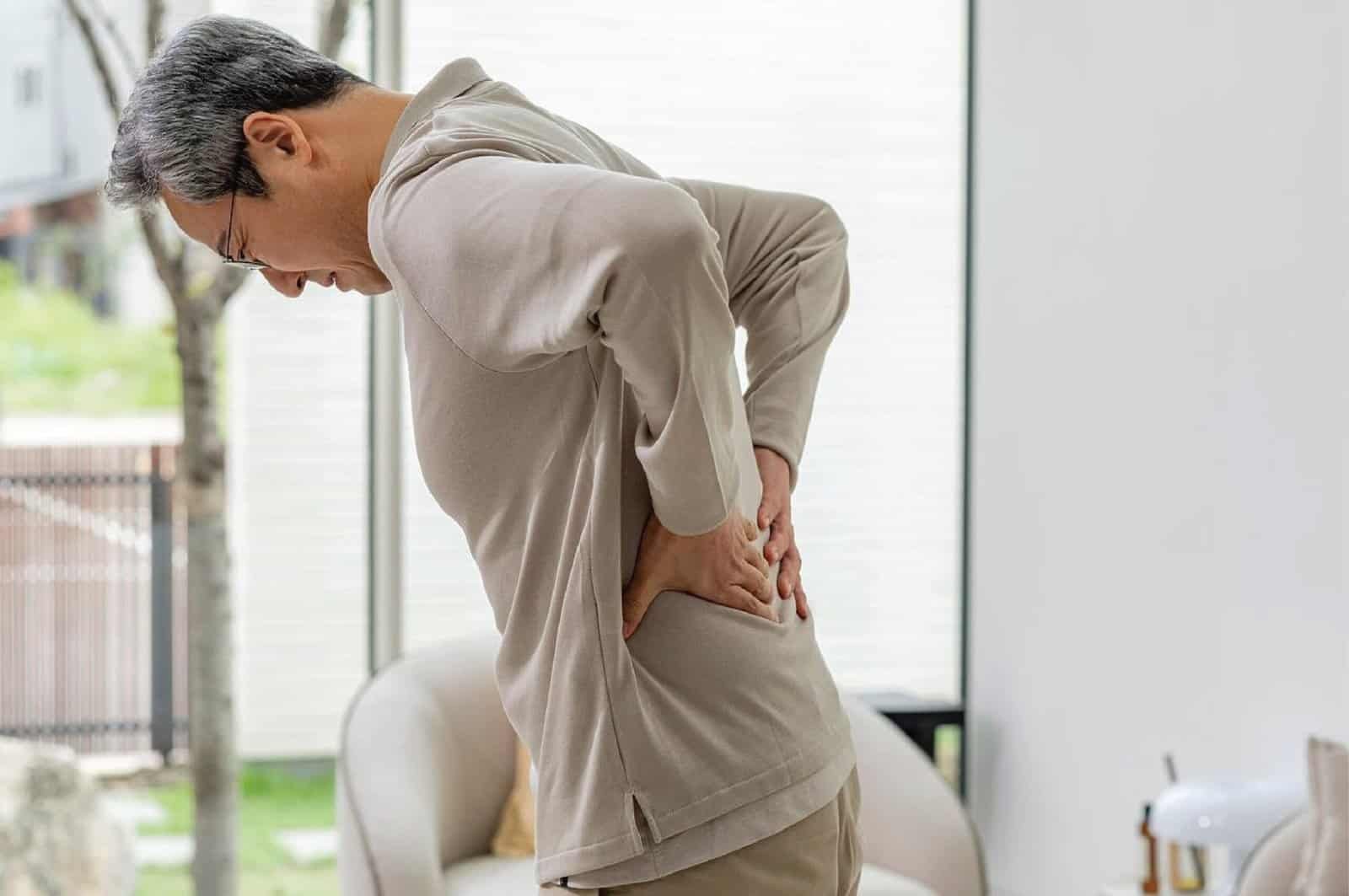
You may experience a dull ache, sharp pain or discomfort that worsens with certain movements or prolonged sitting.
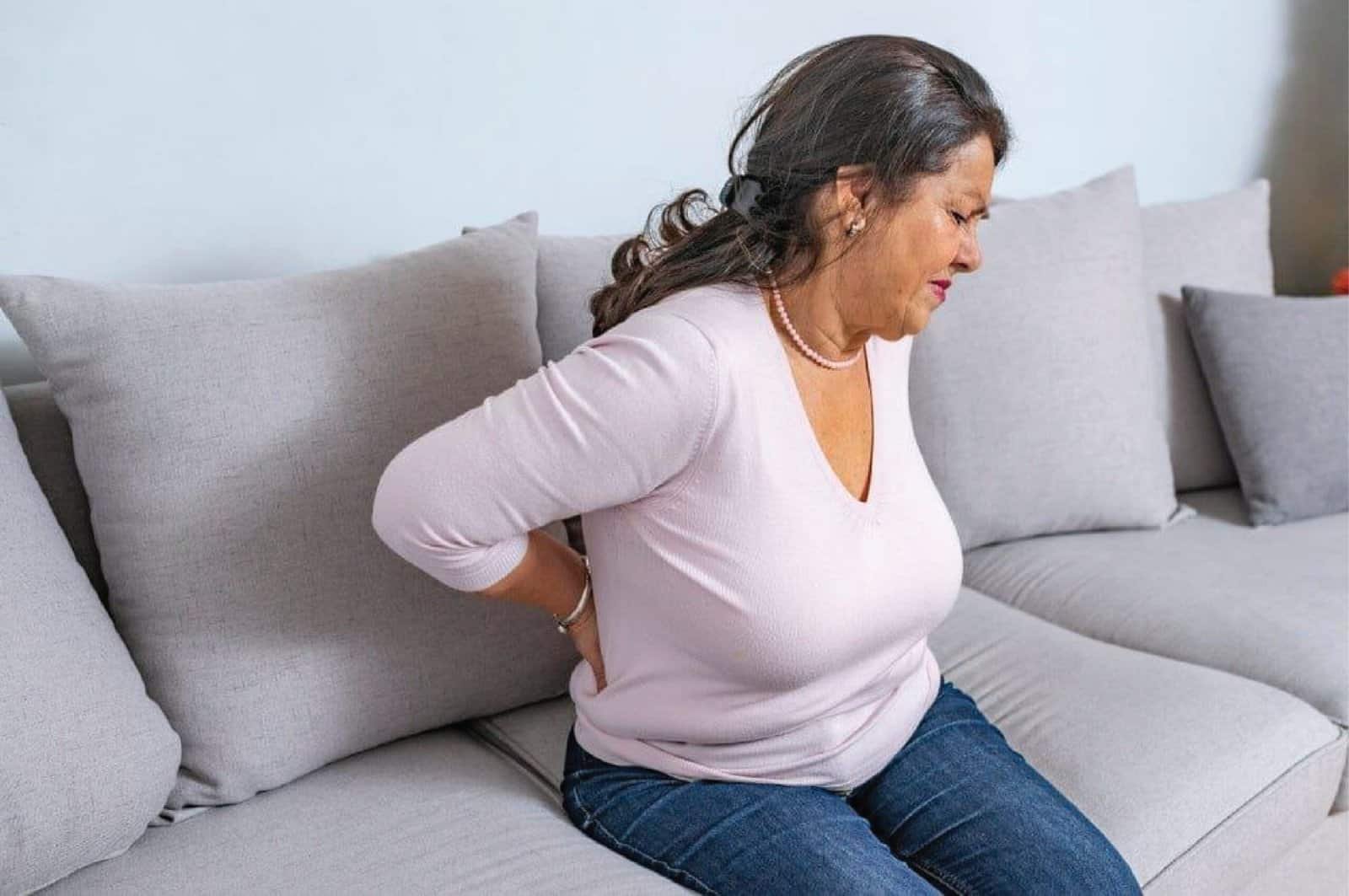
A slipped disc in the lower back may irritate the sciatic nerve roots, causing pain that travels from your buttock down your leg. This is commonly called sciatica.
A slipped disc in the neck can cause pain that travels into your shoulder, arm or hand.
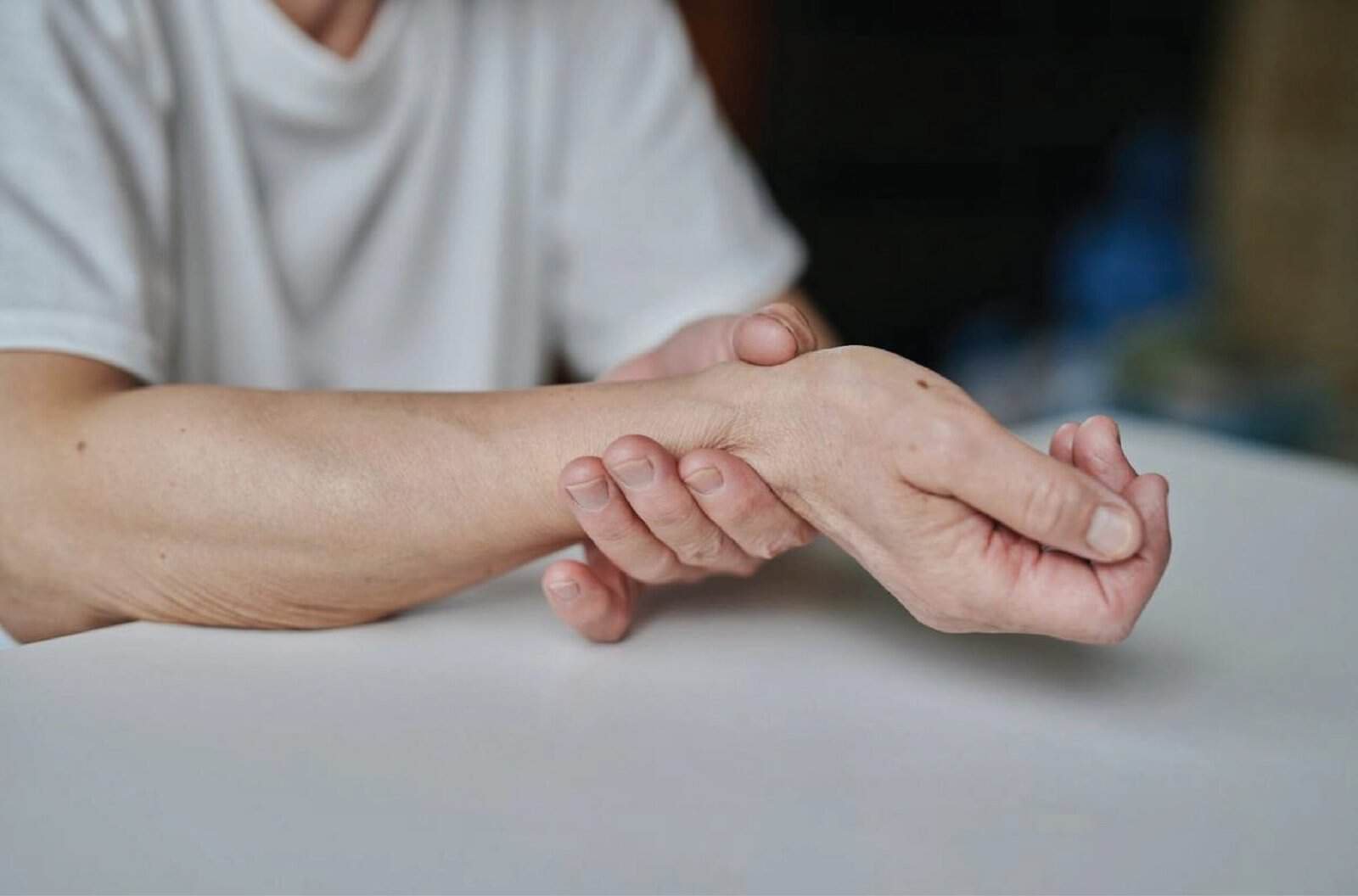
You might experience pins and needles, reduced sensation or numbness along the area supplied by the affected nerve.
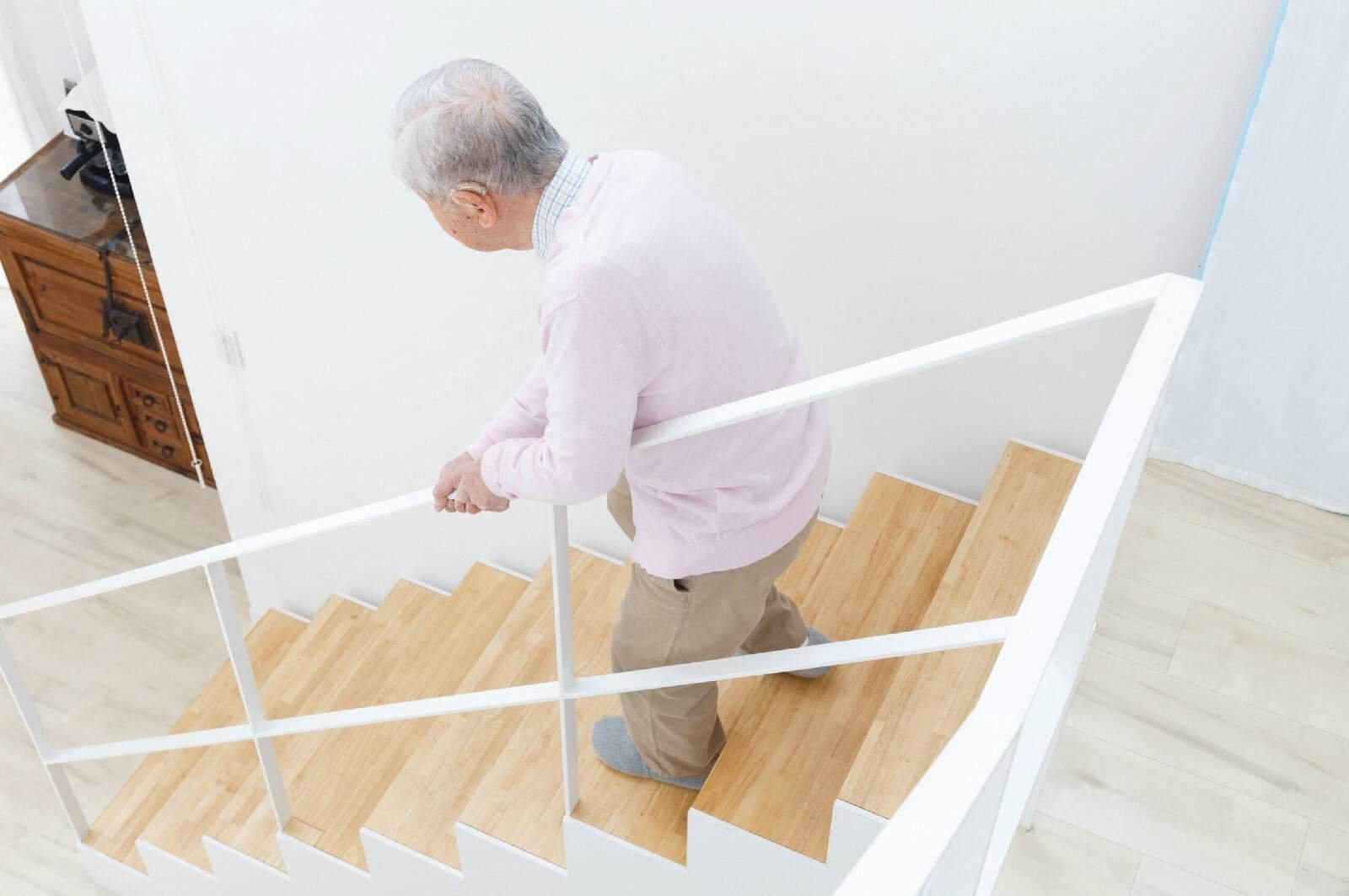
Nerve compression can sometimes affect muscle strength, making it harder to lift your foot, walk normally, grip objects or perform everyday activities.
Some people notice that their symptoms worsen when coughing, sneezing, bending or sitting for extended periods.
However, these symptoms can also be caused by other conditions. A proper assessment is important to identify the source of your pain.
Although uncommon, certain symptoms may indicate serious nerve compression. Seek emergency medical attention if you experience new difficulty passing urine, loss of bladder or bowel control, numbness around your groin or inner thighs, or rapidly worsening leg weakness.
These symptoms should not be managed with exercises or routine physiotherapy before urgent medical assessment.
A slipped disc doesn’t always result from one particular injury. In many cases, it develops gradually as the spinal discs change with age.
Several factors can increase your risk.
Poor posture is often blamed for slipped discs, but the relationship isn’t that simple. There is no single perfect posture that guarantees a healthy spine. Regular movement, appropriate strengthening and avoiding prolonged periods in one position are generally more useful than trying to sit perfectly straight all day.
Yes. Many people with a slipped disc improve over several weeks to months without surgery.
The body can gradually reduce inflammation around an irritated nerve and, in some cases, reabsorb part of the herniated disc material.
However, recovery varies depending on your symptoms, the degree of nerve involvement and your overall health.
The goal of treatment is not necessarily to make an MRI look normal. It’s to reduce your symptoms, restore your movement and help you return to your usual activities safely.
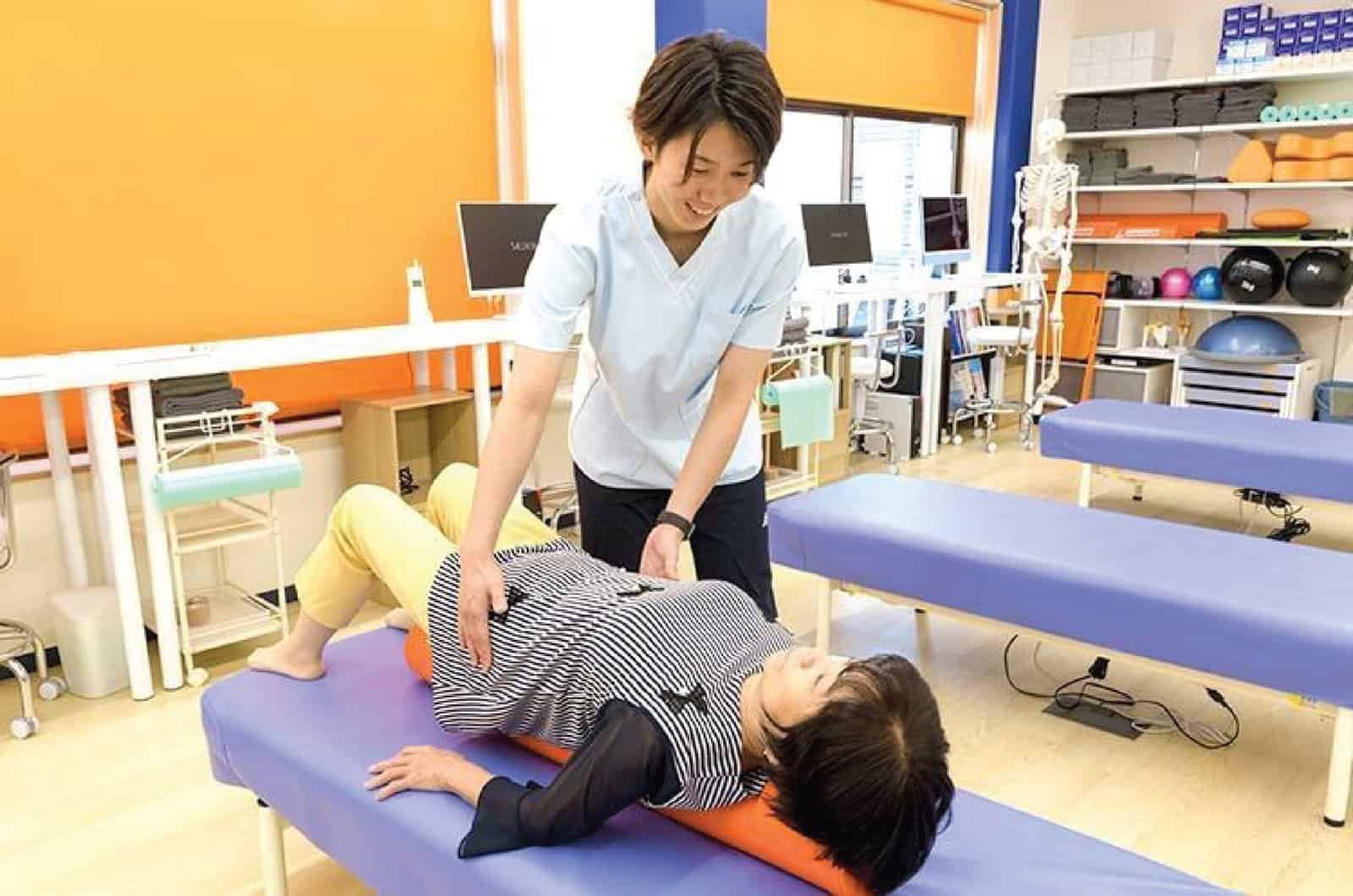
Physiotherapy is commonly recommended as part of non-surgical treatment for slipped discs, particularly when symptoms are stable and there are no signs of serious nerve compression.
At Ropheka Physiotherapy & Sports Injury Centre, we take an individualised approach to your recovery.
We begin by understanding your symptoms, medical history and how your pain affects your everyday activities.
Your physiotherapist may assess your spinal movement, muscle strength, sensation and nerve function to help identify the possible source of your symptoms.
If your symptoms suggest a more serious condition or require further investigation, we will recommend an appropriate medical referral.
There is no single exercise that works for every slipped disc.
Your physiotherapist will recommend exercises based on your symptoms, movement tolerance and recovery goals. These may include gentle mobility exercises, progressive strengthening, trunk muscle conditioning and gradual return to everyday activities.
Depending on your condition, treatment may include appropriate manual therapy, movement modification and advice on managing painful activities.
The aim is to make movement more comfortable while supporting your body’s natural recovery process.
Whether you’re an office worker struggling with prolonged sitting, a parent finding it difficult to lift your child or an athlete hoping to return to training, your rehabilitation should reflect the activities that matter to you.
We’ll help you gradually rebuild your strength, confidence and tolerance for everyday movement.
Although not every slipped disc can be prevented, a few healthy habits can help you look after your spine.
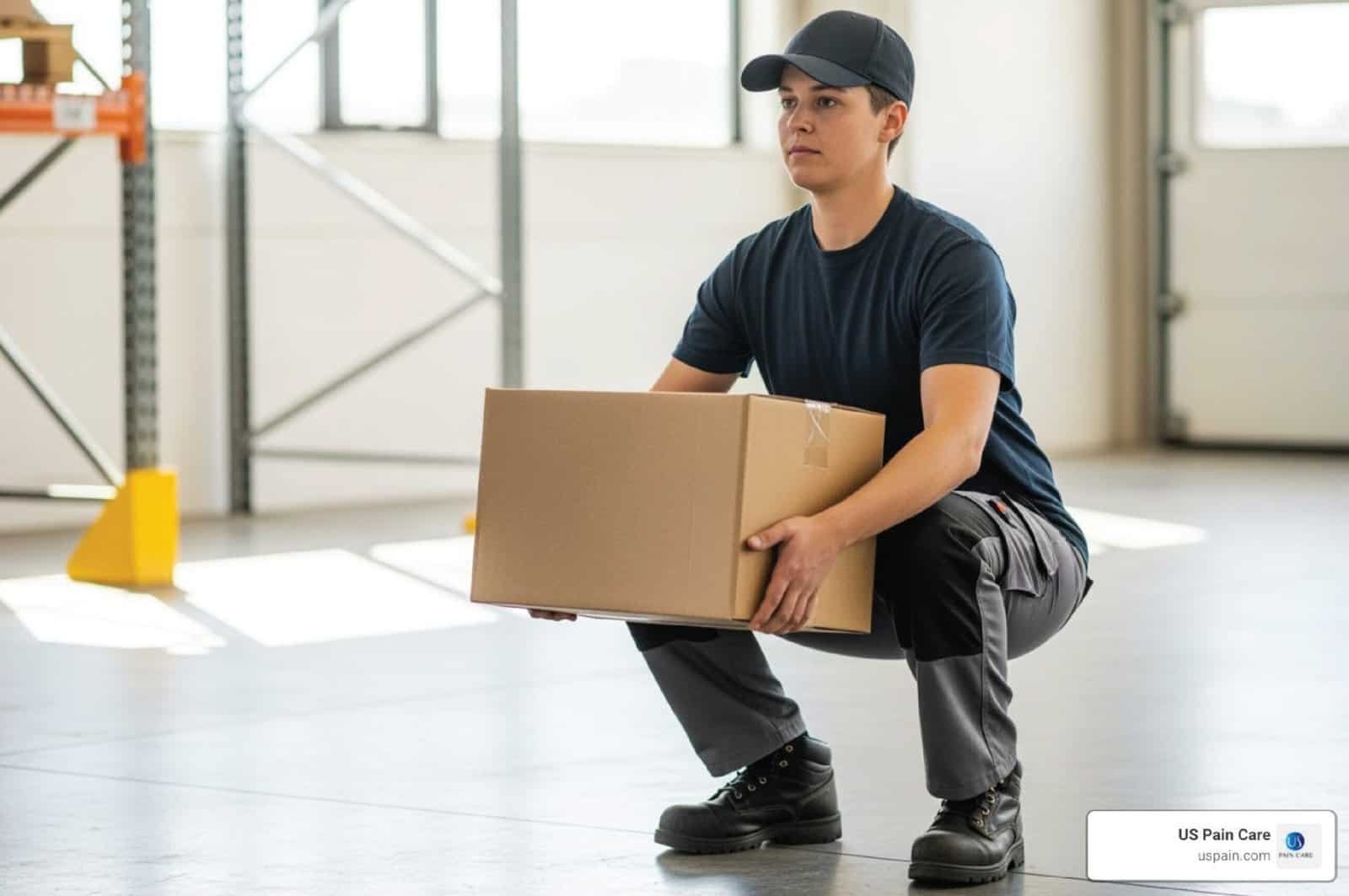
Keep heavy objects close to your body, use your hips and knees, and avoid sudden twisting while carrying a load. Build your lifting capacity gradually.
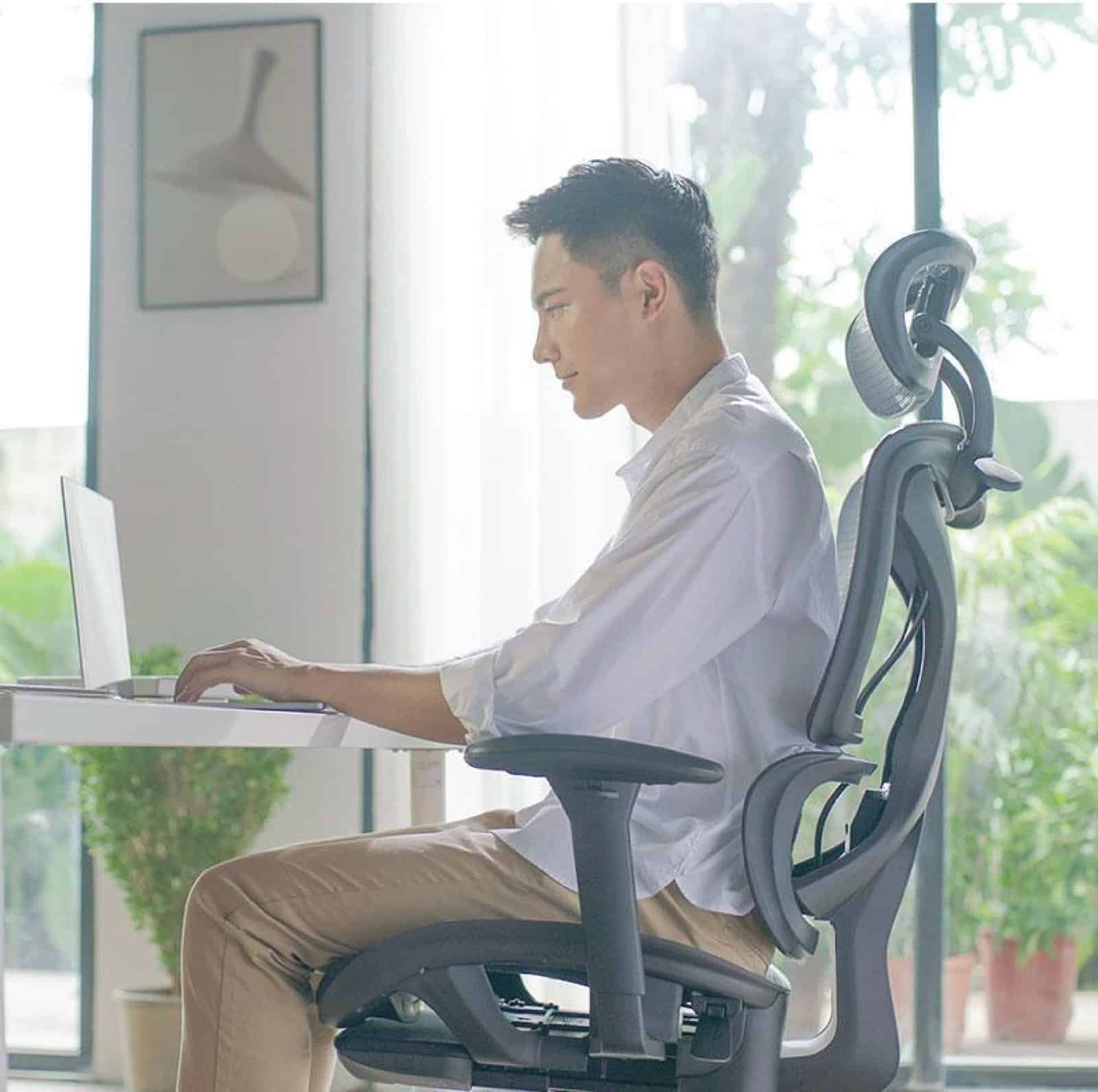
If you spend long hours working at a desk or driving, change positions regularly. Stand, walk or stretch when possible.

Regular strengthening exercises help your muscles support your spine and prepare your body for everyday physical demands.

Walking, swimming, resistance training and other enjoyable physical activities can help improve your overall fitness and physical resilience.
These habits can support spinal health, although no exercise or lifting technique can completely eliminate the risk of disc problems.
Do all slipped discs require surgery?
No. Most people with a lumbar slipped disc improve with non-surgical treatment. Surgery may be considered if symptoms persist despite appropriate treatment or if there is significant or worsening nerve compression.
Should I rest in bed if I have a slipped disc?
Prolonged bed rest is generally not recommended. Short periods of rest may help during a painful episode, but gentle movement and a gradual return to your usual activities are important for recovery.
Can I exercise with a slipped disc?
In many cases, yes. However, your exercise programme should be appropriate for your symptoms and physical abilities. A physiotherapist can guide you on which movements to begin with and how to progress safely.
Do I need an MRI for a slipped disc?
Not necessarily. An MRI is not routinely required for uncomplicated lower back pain or sciatica. Your doctor may recommend imaging if there are concerning symptoms or if the results are likely to change your treatment.
How long does a slipped disc take to recover?
Many people notice improvements within a few weeks, although some may take several months to recover. Recovery depends on the severity of symptoms, nerve involvement and individual circumstances.
Living with back pain, sciatica or a slipped disc can make even simple activities challenging. However, with appropriate treatment and rehabilitation, many people can return to their usual activities without surgery.
Established in 1988, Ropheka Physiotherapy & Sports Injury Centre provides personalised physiotherapy and rehabilitation for the Seremban community. Our approach focuses on understanding your condition, improving your movement and helping you build the strength and confidence to stay active.
Experiencing persistent back pain or symptoms of a slipped disc? Book a physiotherapy assessment with our team in Seremban to discuss your symptoms and explore an appropriate rehabilitation plan.