
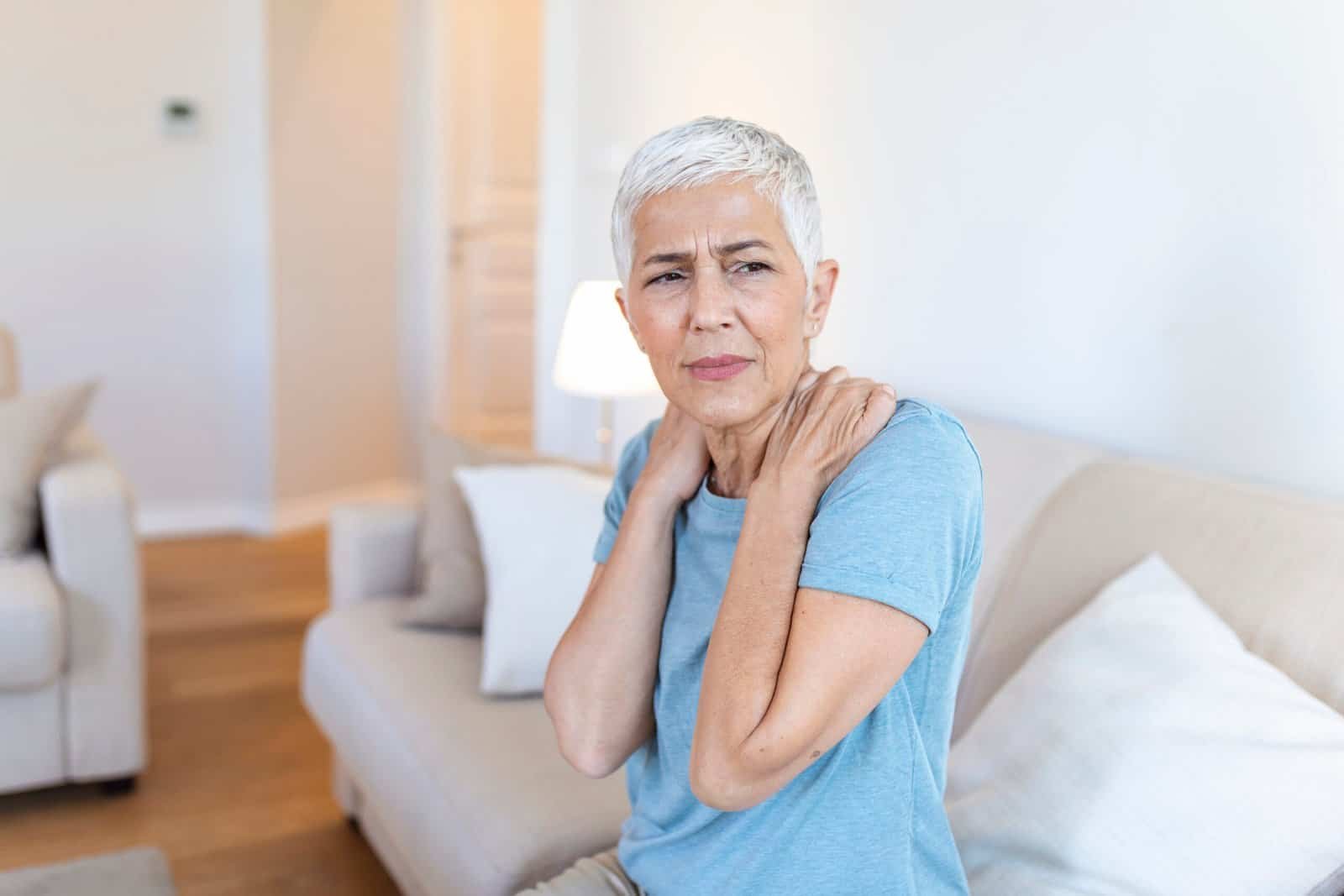
Have you noticed that climbing stairs feels harder than it used to? Perhaps carrying groceries has become more tiring, or you find yourself needing extra support to get up from a chair.
These small changes may be signs of muscle loss, something that can happen gradually as we get older, become less active or recover from an illness or injury.
While some muscle loss is associated with ageing, it doesn’t mean you have to accept becoming weaker. With the right exercise, nutrition and guidance, you can maintain your strength and continue doing the things you enjoy.
At Ropheka Physiotherapy & Sports Injury Centre in Seremban, we help people of different ages improve their strength, mobility and confidence through personalised physiotherapy and rehabilitation.
Your muscles do much more than help you lift weights or exercise. They support almost every movement you make throughout the day, from getting out of bed in the morning to walking, climbing stairs and carrying your children or grandchildren.
Healthy muscles help you maintain good balance and posture, protect your joints and perform everyday activities independently.
As we age, maintaining muscle strength becomes particularly important. Stronger muscles can help reduce the risk of falls, support joint health and make it easier to remain physically active.
Muscle loss, also known as muscle atrophy, occurs when muscle tissue becomes smaller. It can affect anyone, not just older adults.
Some of the most common causes include:
The encouraging news is that many causes of muscle loss can be managed, and some can be reversed with appropriate treatment.
Sarcopenia is a muscle condition associated with ageing that involves a progressive loss of muscle strength and muscle mass.
Although it is more common in older adults, changes in muscle strength can begin much earlier, particularly among people who are physically inactive.
Sarcopenia often develops gradually, which means you may not notice it until everyday activities become more difficult.
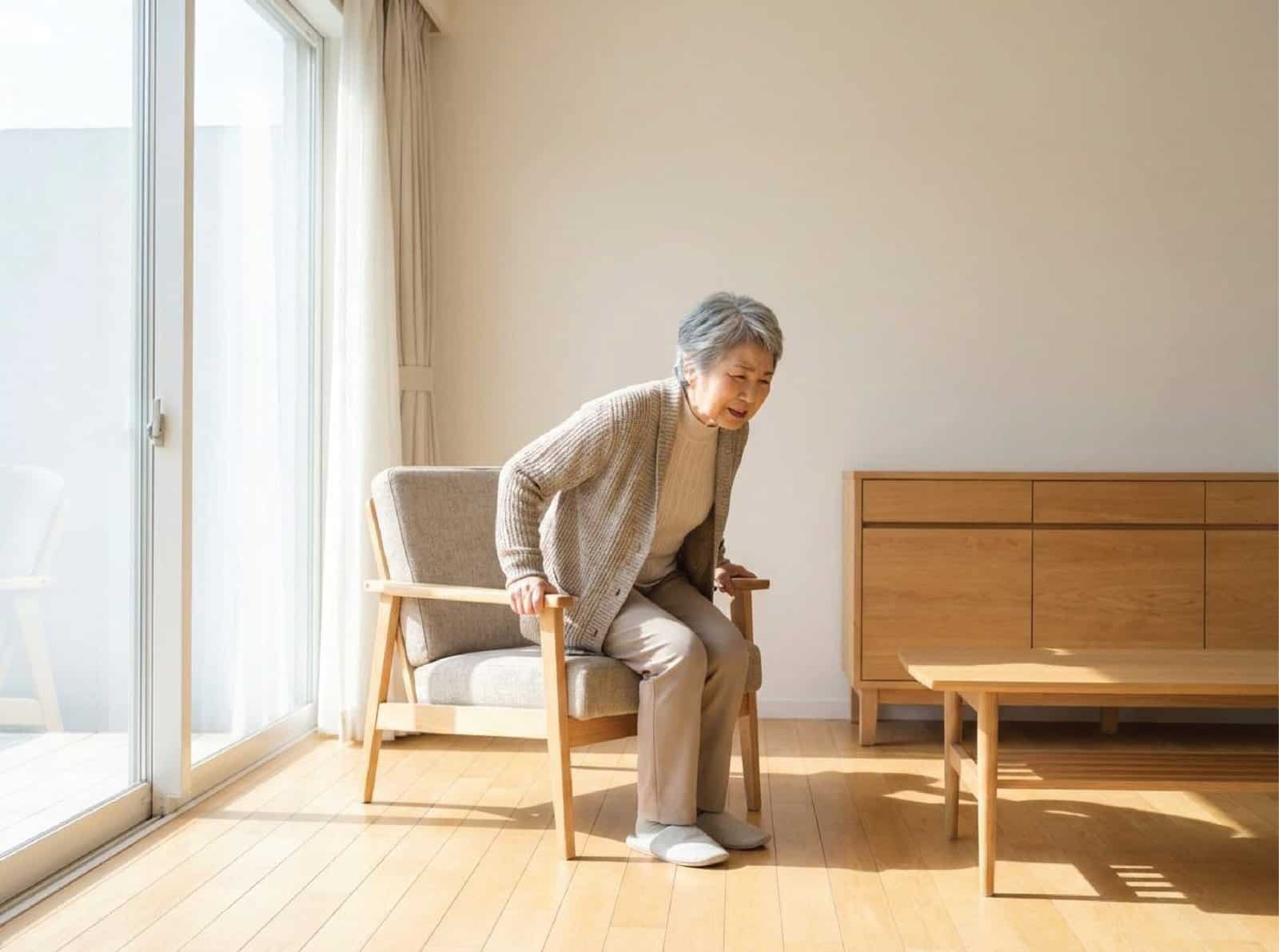
You may need to push yourself up using your arms or require assistance.
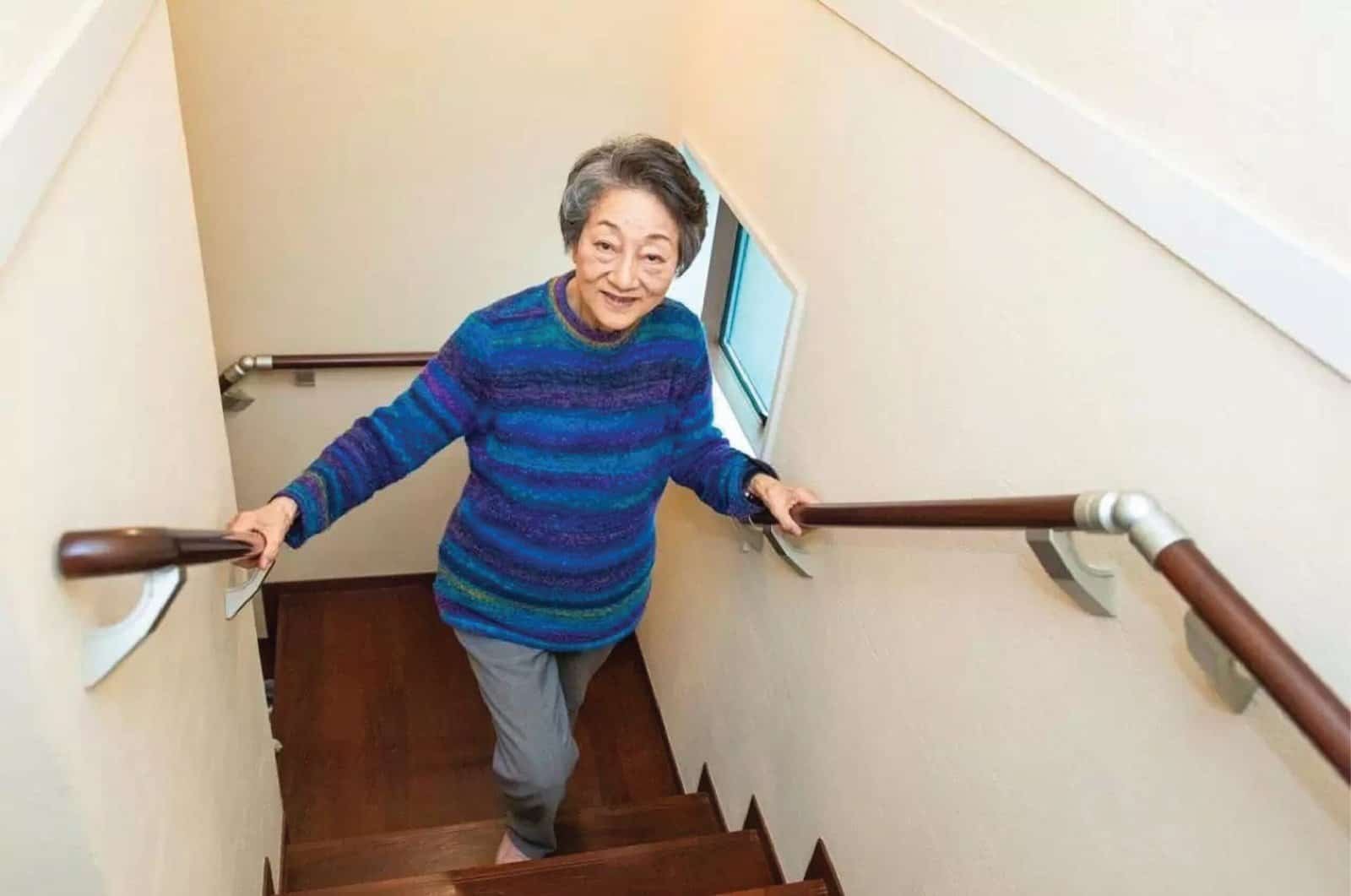
Climbing stairs may feel more tiring, even when you haven’t increased your activity level.
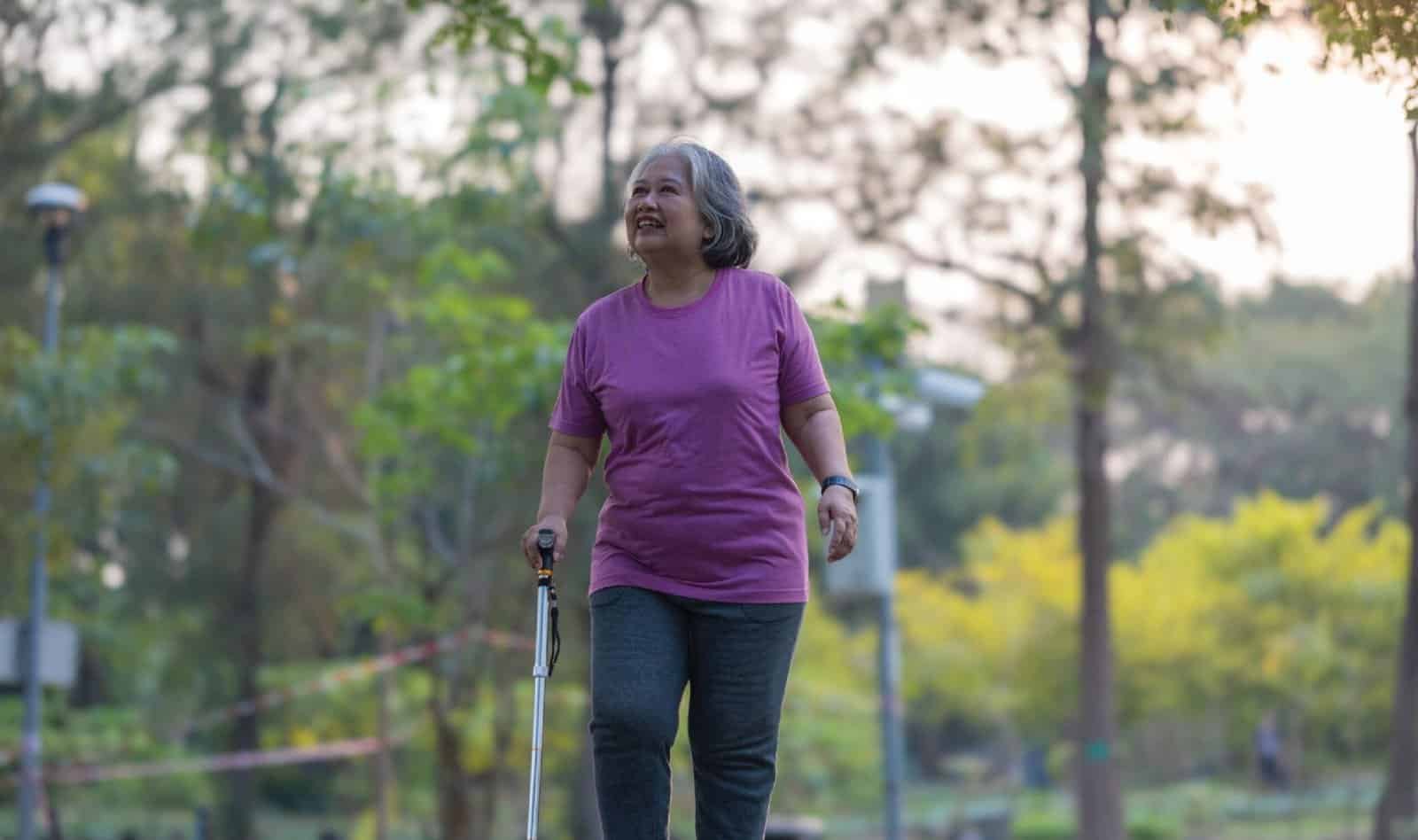
You may feel less steady on your feet or find yourself walking more slowly than before.
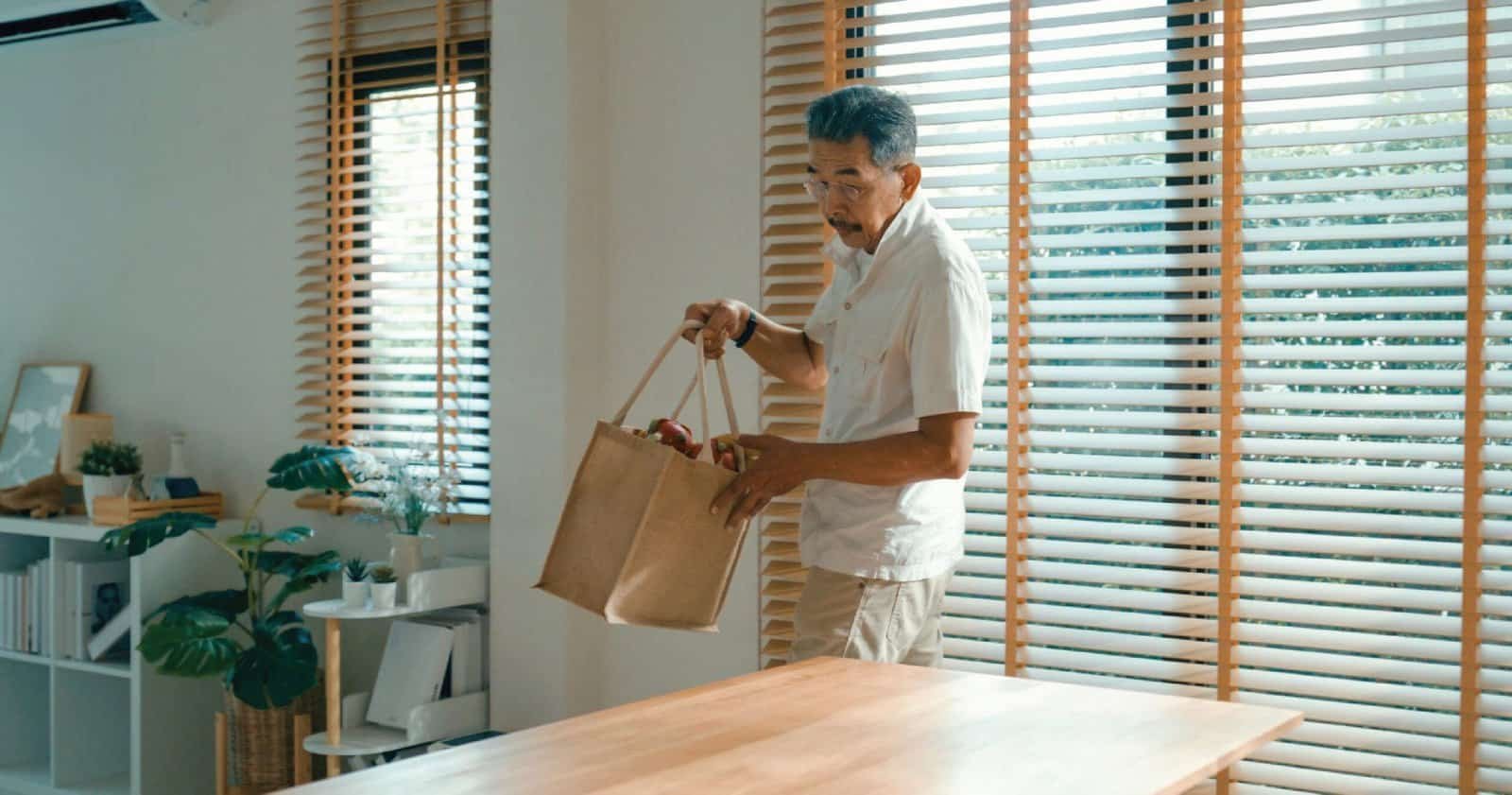
Shopping bags and other objects that once felt light may become harder to carry.
These symptoms do not automatically mean you have sarcopenia. However, if you notice persistent or increasing weakness, it is worth getting assessed to identify the underlying cause.
Losing muscle is not just about becoming physically weaker. Over time, reduced muscle strength can affect your mobility, balance and ability to live independently.
In older adults, sarcopenia is associated with an increased risk of falls, fractures, hospitalisation and reduced quality of life.
Some individuals may also experience sarcopenic obesity, a condition in which excess body fat occurs alongside reduced muscle mass and function. This is one reason why body weight alone does not always give a complete picture of your physical health.
Maintaining muscle strength is therefore important even if your weight has remained relatively unchanged.
Yes, in many cases, muscle strength and mass can improve with appropriate exercise and nutrition. The amount of improvement depends on your age, general health and the underlying cause of your muscle loss.
Here are four practical ways to protect and strengthen your muscles.
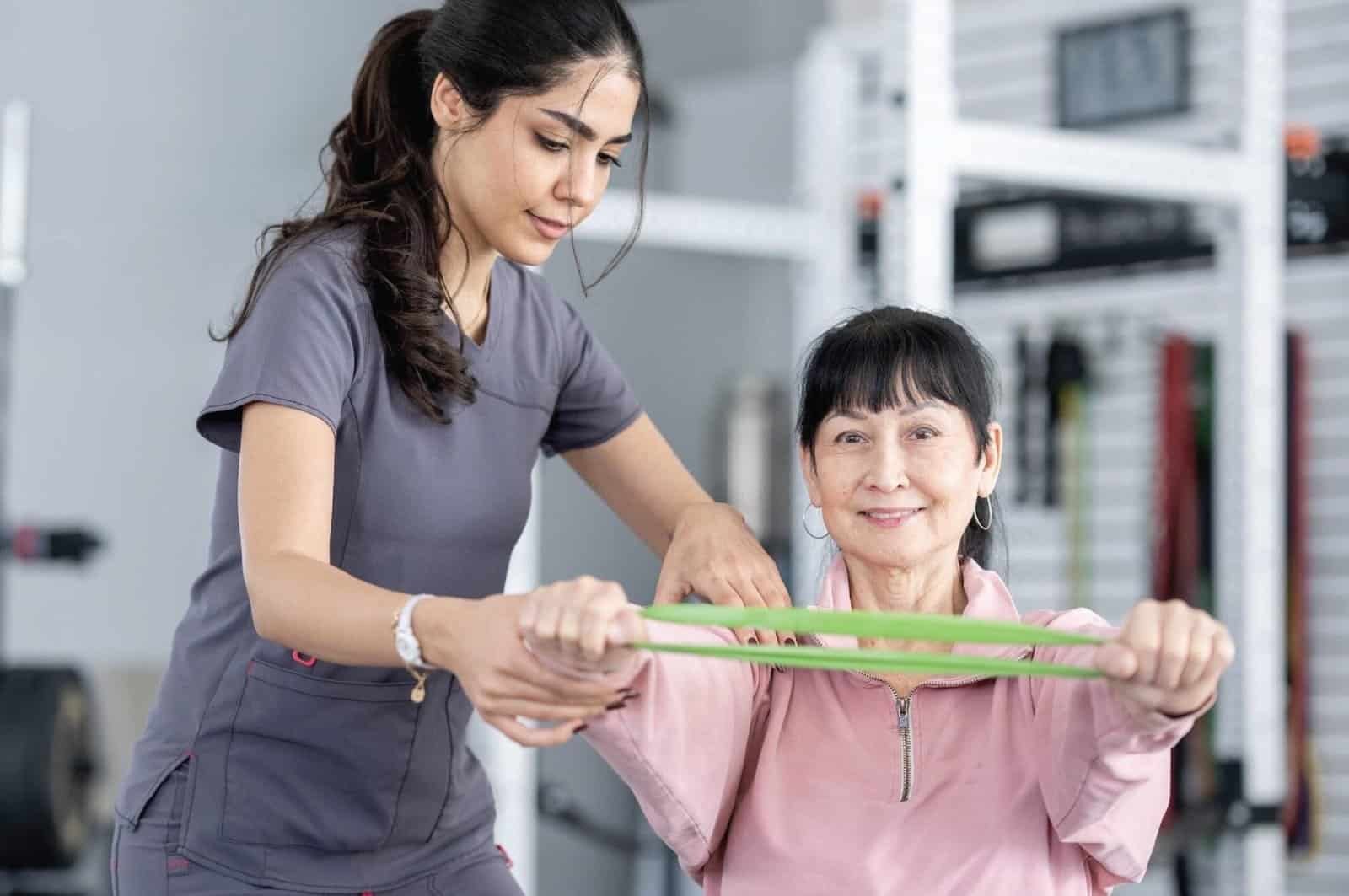
Strength training is one of the most effective ways to maintain and rebuild muscle. You don’t necessarily need to lift heavy weights or join a gym to get started.
Simple exercises such as sitting and standing from a chair, climbing stairs, resistance band exercises and lifting light weights can help improve strength.
For most healthy adults, muscle-strengthening exercises at least twice a week are recommended. If you have existing medical conditions, significant weakness or a recent injury, a physiotherapist can help you choose exercises that are appropriate for you.
Your muscles need protein to repair and maintain themselves. Include protein-rich foods such as eggs, fish, chicken, tofu, beans and dairy products in your daily meals.
Adequate overall nutrition is just as important, particularly for older adults and people recovering from illness.
If you are experiencing unexplained weight loss or have specific dietary requirements, speak to your doctor or dietitian for personalised nutritional advice.
You don’t have to spend hours exercising to make a difference.
Walking regularly, gardening, taking the stairs and taking short movement breaks during working hours can help you stay active. Combine these activities with regular strength training for better results.
The key is consistency. Find activities you enjoy and can comfortably incorporate into your daily routine.
If you are struggling with everyday movements, recovering from surgery or noticing a decline in your strength, a physiotherapy assessment can help identify areas that need attention.
A physiotherapist can assess your muscle strength, balance, mobility and functional abilities before developing an appropriate rehabilitation programme.
Sudden weakness, particularly on one side of the body, requires immediate medical attention.
At Ropheka Physiotherapy & Sports Injury Centre, we believe that staying strong is about more than building muscle. It’s about helping you maintain your independence, enjoy your daily activities and move with confidence.
Our physiotherapists begin with a detailed assessment to understand your concerns, physical abilities and rehabilitation goals.
Depending on your needs, your treatment programme may include:
Whether you’re an older adult hoping to remain independent, an office worker who wants to become more active or someone recovering from an injury, we’ll work with you to develop a realistic rehabilitation plan.
At what age do you start losing muscle?
Age-related changes in muscle mass can begin as early as your 30s, although the rate varies between individuals. Muscle loss often becomes more noticeable later in life, especially among people who are physically inactive.
Can walking prevent muscle loss?
Walking is excellent for cardiovascular health and maintaining mobility. However, walking alone may not provide enough resistance to preserve all your muscle strength. Combining walking with regular strength training is generally more effective.
Can older adults rebuild muscle?
Yes. Older adults can improve their muscle strength through appropriately prescribed resistance exercises and adequate nutrition. Even people who have not exercised regularly for years may benefit from starting a suitable strengthening programme.
How long does it take to regain lost muscle?
This depends on the cause and severity of muscle loss, your general health and how consistently you exercise. Some people notice improvements in strength within several weeks, while rebuilding significant muscle mass may take several months or longer.
Muscle loss may happen gradually, but that doesn’t mean you have to give up the activities you love.
Whether you’re noticing early signs of weakness, recovering from an injury or looking to maintain your mobility as you age, taking action early can make a meaningful difference.
At Ropheka Physiotherapy & Sports Injury Centre, we’ve been helping the Seremban community move better since 1988. Our experienced physiotherapists provide individualised rehabilitation programmes designed around your abilities, needs and goals.
Concerned about muscle loss or declining strength? Book a physiotherapy assessment with our team in Seremban and find out how we can help you stay active, strong and independent.